Content, in the form of words, is important in communication. It’s especially important to present that content in an audience-appropriate and relatable way.
But, most types of communications work better if there are both words (written or oral) and visual content. This is because there are many different learning styles: verbal, written and experiential as well as mixes of all three.
By providing both words and visuals, you can reach more types of learners. Visual and written (or spoken) content also have an interplay with one another. So, in addition to excellent written content, visual content really helps you communicate about your research or professional practice.
Together, words and visuals are stronger.
With the advent of a camera in every cell phone, the importance of photos as content has increased. The world is moving to brevity, and you’ve heard the saying “a picture is worth a thousand words.” So true. We’ve gone from baby boomers, to Gen X and Y, Millennials, and now “Generation Image.”
Photos can be shared in web stories, blogs, social media, and even in print. They bring a richness and clarity to your science story—when done right. They are one of the best communications tools out there, one I hope you’ll consider.
Another compelling reason to take photographs of your research team at work—over several years if needed—is the case of visual media (TV or online video news, or even a YouTube video). The media may want to do a visual story of your research. Our department experienced this with National Science Foundation video reporter Dena Headlee (example of Dena’s work). The photographs a University of Rhode Island research team were able to provide to Dena landed them a 45-second clip on her show! (Watch here, starting at the three-minute mark). And, if you’re interested, you can take your photos and turn them into your own video story as well. Photos work great as “b-roll” which I’ll discuss in some video blogs in the future. Think of all the YouTube possibilities there!
Another “audience” for your photography is your funding sources, just like improving your written communications like we covered in this blog. Becoming a better overall communicator—in this case, using photography—can help the future of all your research projects. They can improve communications with other professionals, the public and fellow scientists.
As scientists, we put a lot of effort into planning our research protocols and applied science practices. After all, that’s what we are trained to do. We study research methods, use of equipment, and even statistical modeling. But we don’t get much, if any, training in communications or marketing. When we think of these two things, we usually think about them after our research results are in.
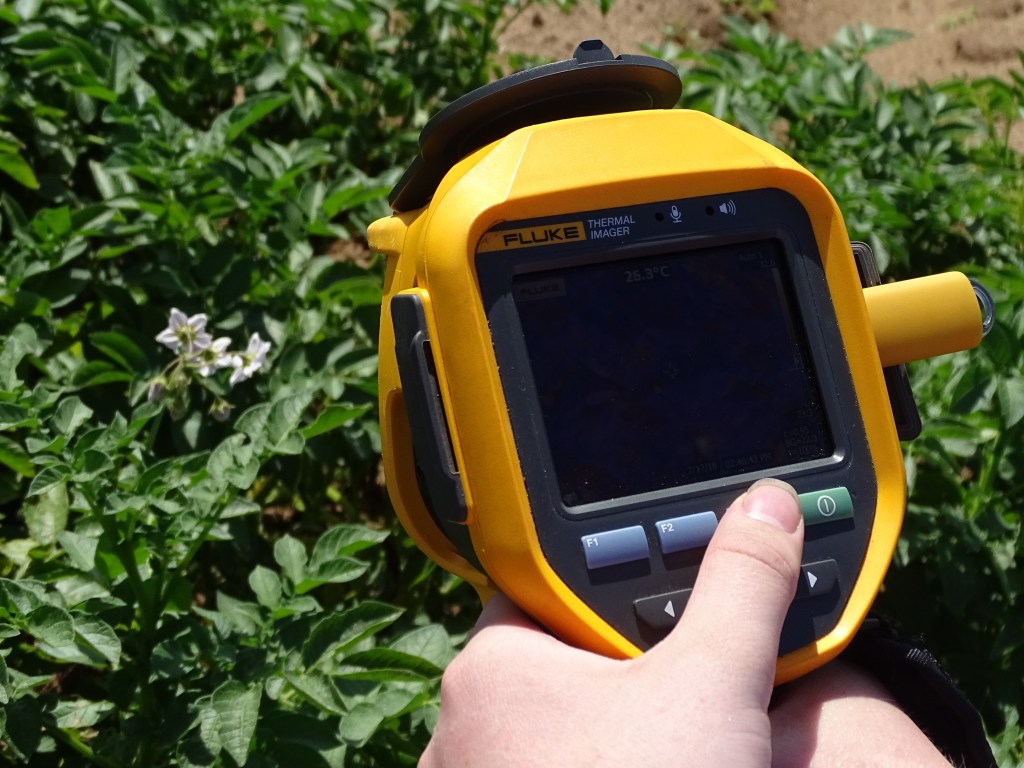
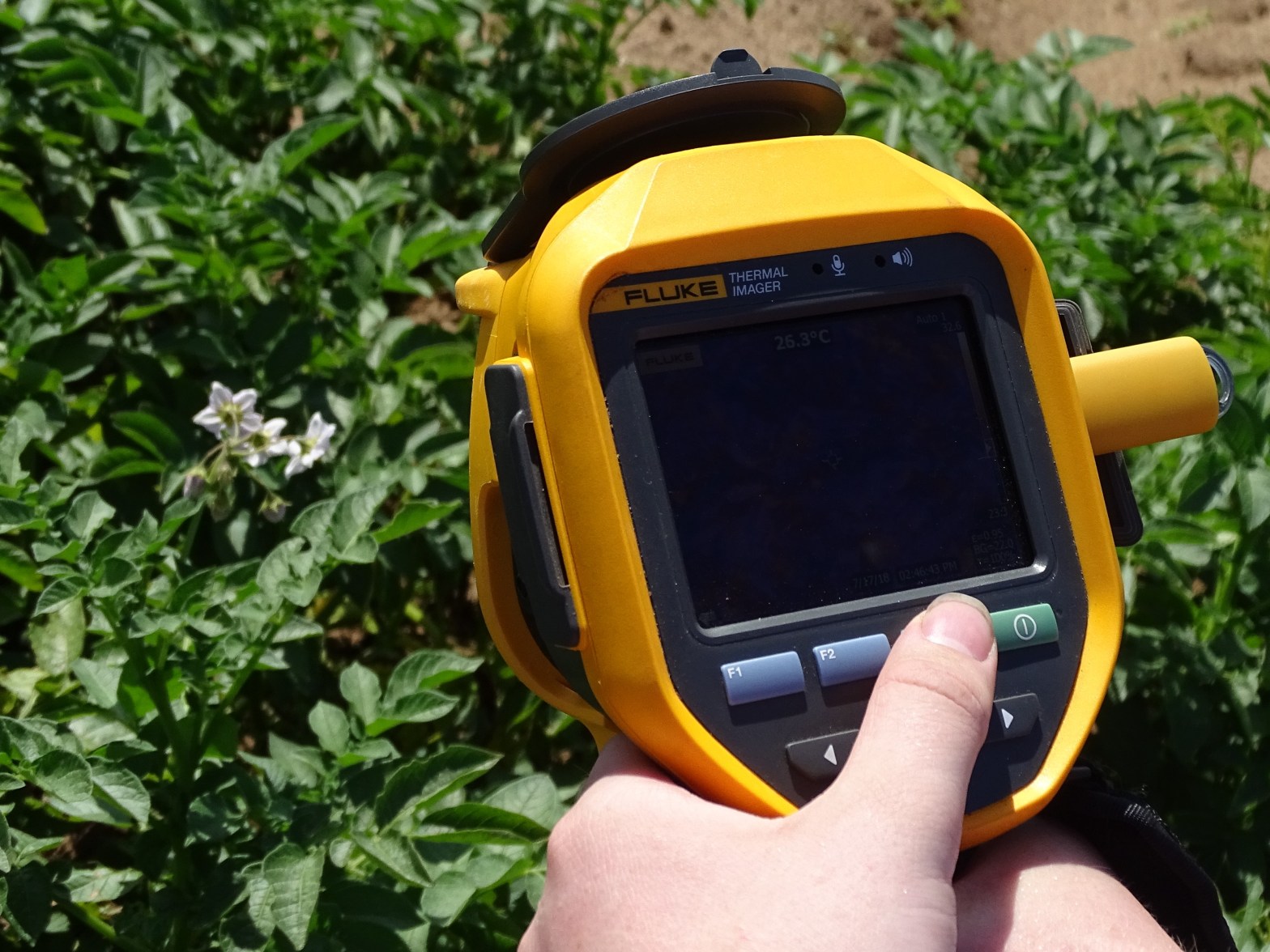
Planning your communications involves planning out what photos might best represent your work. Every quarter, you should aim to collect several quality photos with your camera. The total time it takes to take good photos and file them appropriately could be just an hour or less per quarter! Make it a lab commitment – like a workout buddy – and it’s more likely to happen.
Could you ask your workplace photographer to do this quarterly? Maybe. But can that person get to every lab and field site for every research team or project? Probably not. What about the day you’re scouting a field or are in the middle of an experiment and see something unusual? You don’t want to miss that photo. And, you know your research better than anyone else.
I think you and your teammates are the best candidates to do simple, effective photography. For tips on what type of photos to take read this blog.
Written by Susan V. Fisk, BS(Chem), M.Ed., MBA. Copyright by author.
For tips on what type of photos to take read this blog.
For samples of my personal photography and make purchases, visit my Etsy shop.
Do you want more help with your science communications? Contact me at TrulyRelatableScience@gmail.com for estimates on editing your professional web pages, public presentations, grant proposals, or to Zoom into your classroom/lab for a workshop!
 Relatable Science
6 thoughts on “Why should I take photos of my scientific work?”