You’ve spent time taking great photos of your work. You’ve followed the tips on what type of photos to take. That’s hard enough – but don’t just leave those photos on your camera card. Your photos are part of your crucial research data – and you back up your data, right?
Following these next steps will help you when you go to write your next grant, or submit your research for publication. They help your research presentations be exciting at the next scientific meeting you attend. And, you’ll have clear photos to share and promote your work to the public.
Keep a log of your photos on your computer. Try to give your photos catchy five- to six-word titles. You may want to include the person’s name who is in the photo (memories do fade) as well as the photographer.
I usually file photographs by project. So in a specific video project folder, I have named a photo “russell pipeting extractions into electrophoresis gel SV Fisk”. That’s what works for me. Whatever technique you use to describe and remember for later submission will work much better than a photo file full of “DCS_1844.jpg!”
I’ll also assume you have multiple research projects going on at once. We have folders for all our projects where I work. So, for example, within a folder for Web Stories, there will be about fifty folders with the journal author name and a little subject like “Fisk Quinoa Journal Name” or “Fisk Soil Microbes 2019 meeting.”
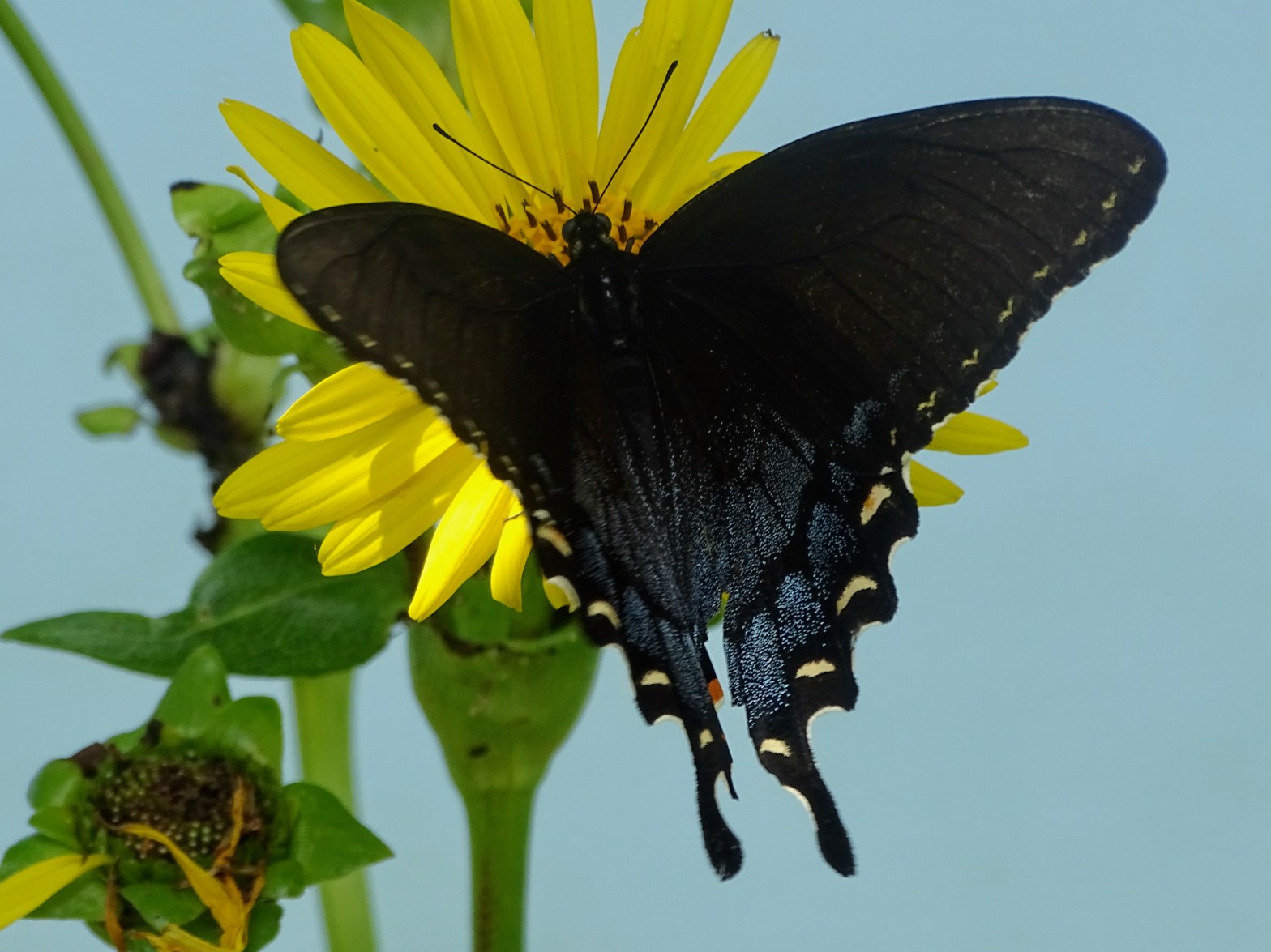
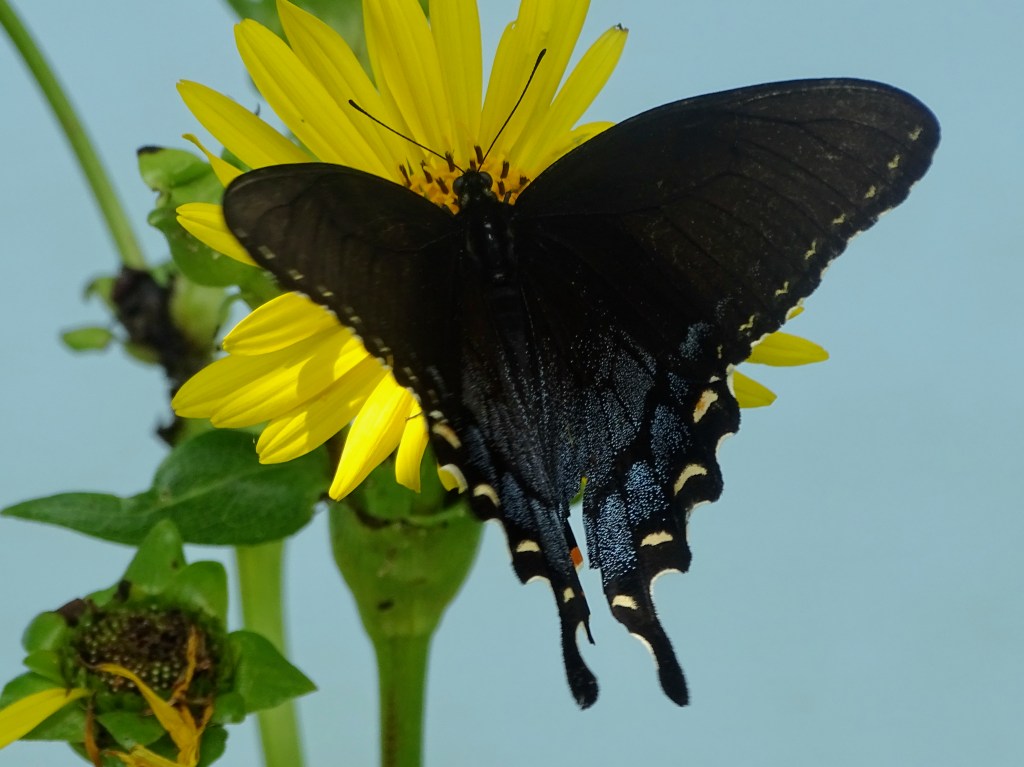
For my personal work, I keep it more simple, and file by date. I work on a Mac and by labeling my photos with good names, finding an old photo is easy with a quick search. Say I need a photo of a swallowtail. I’ve taken many photos of them. But if I search for “swallowtail” vs. DSC_1234 I will find that butterfly photo pretty quickly!
Doing your filing quickly – within a few weeks of taking them – is important. It’s not only courteous to add the photographer’s name with a caption, but I also think it’s crucial in today’s realm of visual media. So if you share your camera in the lab try to label the photo with the photographer’s name. If you do it later and there are one hundred photos on your camera card, you may forget who went to what field on X date of any year! And, if you do share a camera with another lab to save expenses, this is why having your own lab’s camera card is important. You can preserve and use your own photos whenever you need them.
Do not alter your original photo. The original photo, straight off your camera card, is raw data. You want to preserve it intact. You can change the name – that won’t hurt the data in the image or alter the photo. But, if you want to start cropping or sizing images, or play with contrast, etc., then you should “save as” with a new name. So, if “soybean at Pope Farm May 2019 Fisk.jpg” is the original, you would “save as” “soybean at Pope Farm May 2019 Fisk cropped.jpg” and then do your editing.
Written by Susan V. Fisk, BS(Chem), M.Ed., MBA. Copyright by author.
Read here about the importance of taking photos to document your scientific work.
For tips on what type of photos to take read this blog.
Do you want more help with your science communications? Contact me at TrulyRelatableScience@gmail.com for estimates on editing your professional web pages, public presentations, grant proposals, or to Zoom into your classroom/lab for a workshop!
For samples of my personal photography and to make purchases, visit my Etsy shop.
 Relatable Science
One thought on “Filing your photos so you can find them!”