In good science communications, you really should lead people on, but not in a bad way. This is in direct opposition to how one writes a research paper. It’s putting your “so what” first to grab the attention of your reader or listener. People often make decisions about whether to stay with a blog orContinue reading “Why you need a lead that grabs attention”
Author Archives: trulyrelatablescience
What type of photos should I take?

You already know that photos are an important way to communicate about your science. They not only document your work (as part of your data) but they can be used to explain your scientific work to complement your words. So, what type of photos are best to collect? Here are a few ideas, and someContinue reading “What type of photos should I take?”
Communicating so people understand
In this blog, Is Science A Second Language? I quoted Gwen Pearson, an entomologist. Pearson acknowledges that it’s the scientists’ job to translate scientific messages into compelling, relatable material. I, of course, agree, which is why I started this blog, to give scientists the tools to do so. One of the first methods we useContinue reading “Communicating so people understand”
Why should I take photos of my scientific work?
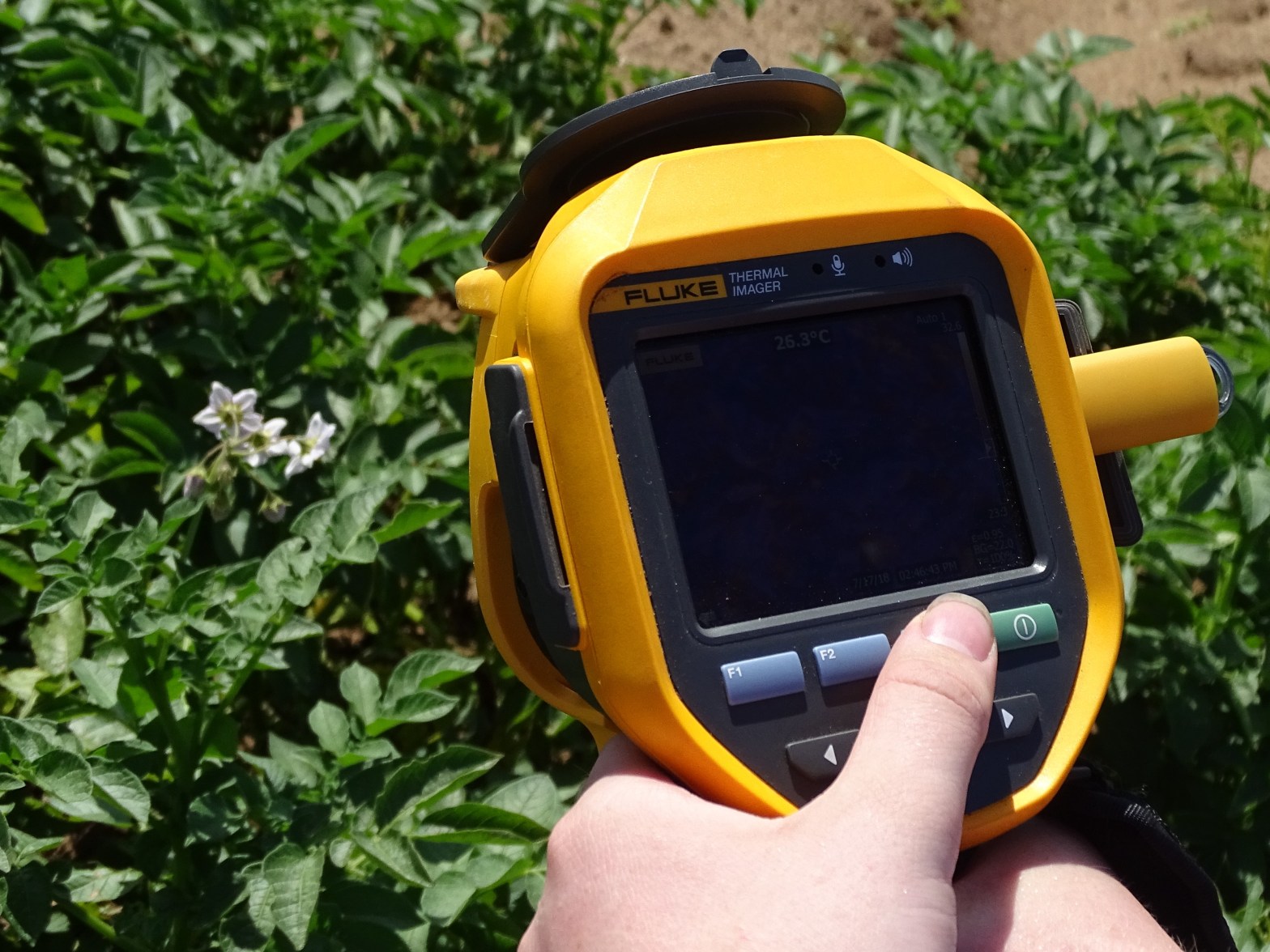
Content, in the form of words, is important in communication. It’s especially important to present that content in an audience-appropriate and relatable way. But, most types of communications work better if there are both words (written or oral) and visual content. This is because there are many different learning styles: verbal, written and experiential asContinue reading “Why should I take photos of my scientific work?”
What are your jargon pet peeves?
My next post will be about jargon and why scientists shouldn’t use it (or very little) when communicating to the general public. I’m collecting pet peeve jargon words from other scientists to add to the “substitute with” list. Leave a note in the comments, thanks!
Science: does it become a second language?
Imagine you’ve just won a wonderful two-week trip to a foreign land. You don’t speak the language. You’ll download a translation app, right? Perhaps book a tour with a guide who speaks your native language? When it comes to science communications, we, the scientific ambassadors, are the equivalent of those translation apps or tour guides.Continue reading “Science: does it become a second language?”
Who is “Relatable Science?”
Why do this? If you’re a scientist, and are frustrated the others don’t understand the value of your work, I get it. I’ve been working for three scientific societies for nearly a decade, and I have watched well-intentioned scientists explain their work. But the audience doesn’t get it – either in written or verbal form.Continue reading “Who is “Relatable Science?””
Why “Relatable” Science?
Science and technology are fast-moving fields. Keeping up is tough for scientists. Two recent studies1,2 have shown now that the readability of scientific papers has become harder. And there is a direct effect on the number of citations a paper receives. So, the impact of poor communications is starting to hit scientists in their careers.Continue reading “Why “Relatable” Science?”
 Relatable Science