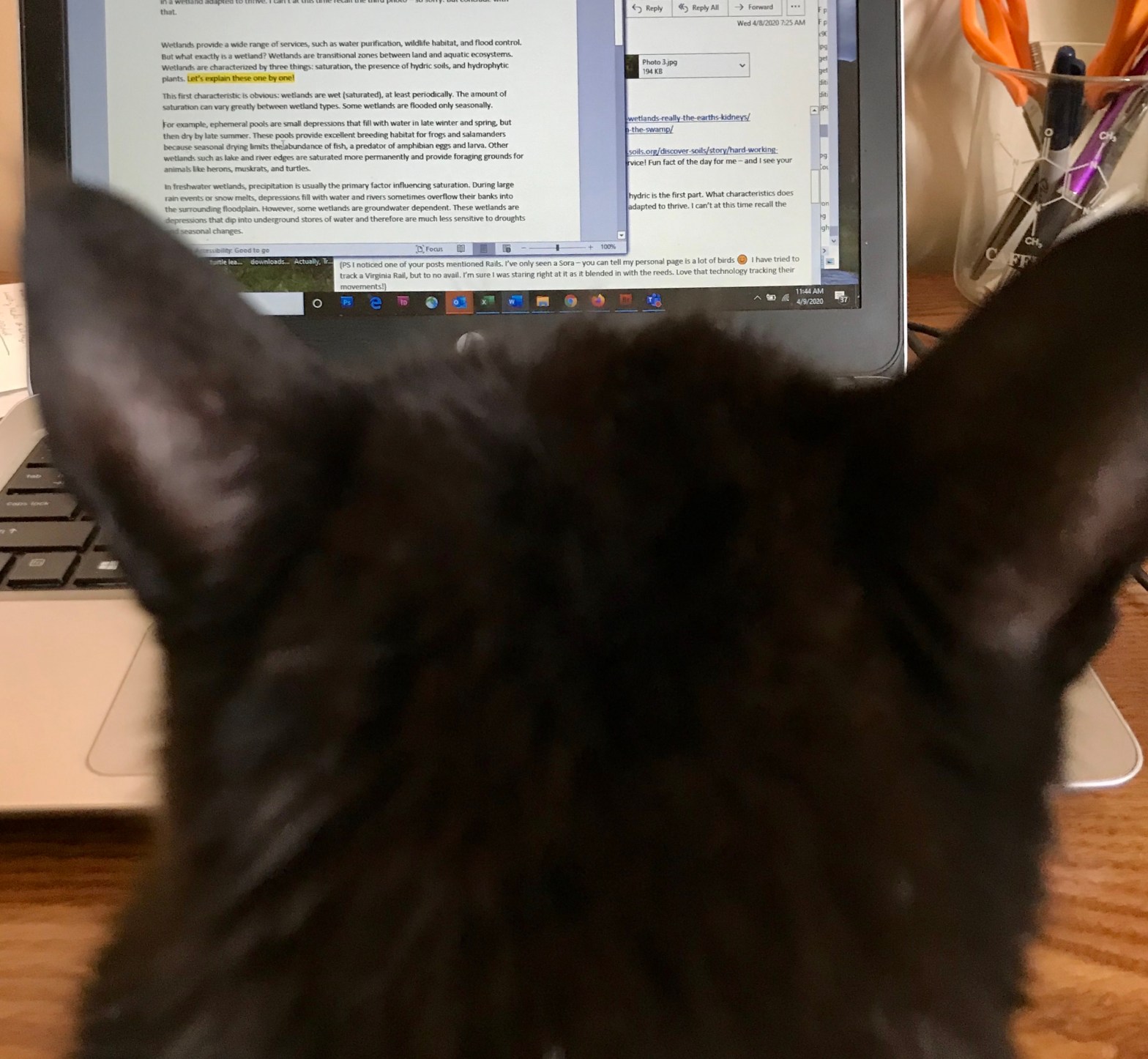
Have you ever tried to talk about your work to family or friends – only to get yawns? These are the same people taking time to watch one or more of the two million cat videos on the internet, right? It’s truly aggravating isn’t it? Comparing the attention span for silly entertainment and that ofContinue reading “What can scientists learn about communications from the success of cat videos?”
Category Archives: Visual content
More things to know about your audience!
In my last blog, I explained several factors that get in the way of your audience receiving the message you send. Not all is lost! You control the message. You can learn how hurtful jargon is to your message. And then by and working to create relatable talks, blogs and social media posts, you willContinue reading “More things to know about your audience!”
Why is science communication so hard?
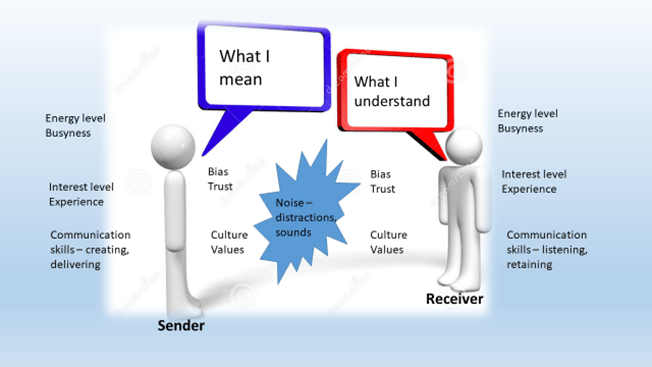
Nowhere in my scientific training did anyone explain to me that communications went further than publishing a paper or presenting to my peers. Every Monday night, graduate students participated in a seminar of quickly synopsizing papers we’d read over the weekend. Ok, we really read them Sunday night – or even the wee hours ofContinue reading “Why is science communication so hard?”
What type of camera does a scientist need?
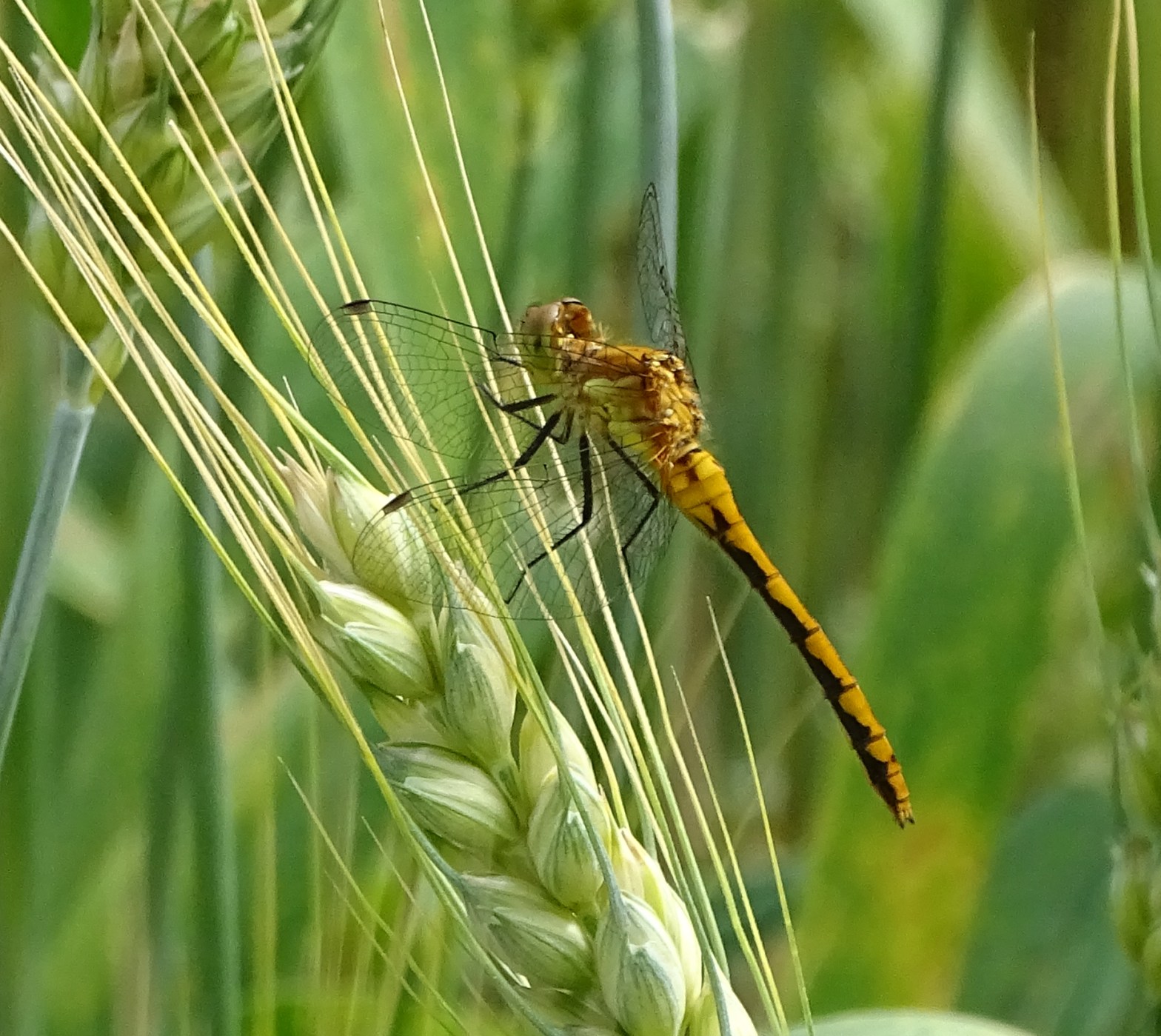
To answer this question, first we have to look at the end product: the photographs. Photos are a set of data points called pixels. If a photograph is low resolution, it has fewer pixels, or data points. In printing terms, these are also called dots per inch (dpi). So, while a low-resolution photo (such asContinue reading “What type of camera does a scientist need?”
The importance of planning communications

Have you ever rushed while packing for a trip, only to get to your destination without a toothbrush, extra socks – or goodness forbid a crucial power cord? I myself keep a running list in my suitcase for packing. When communicating to the public, it’s important to take the time to plan and write anContinue reading “The importance of planning communications”
Filing your photos so you can find them!
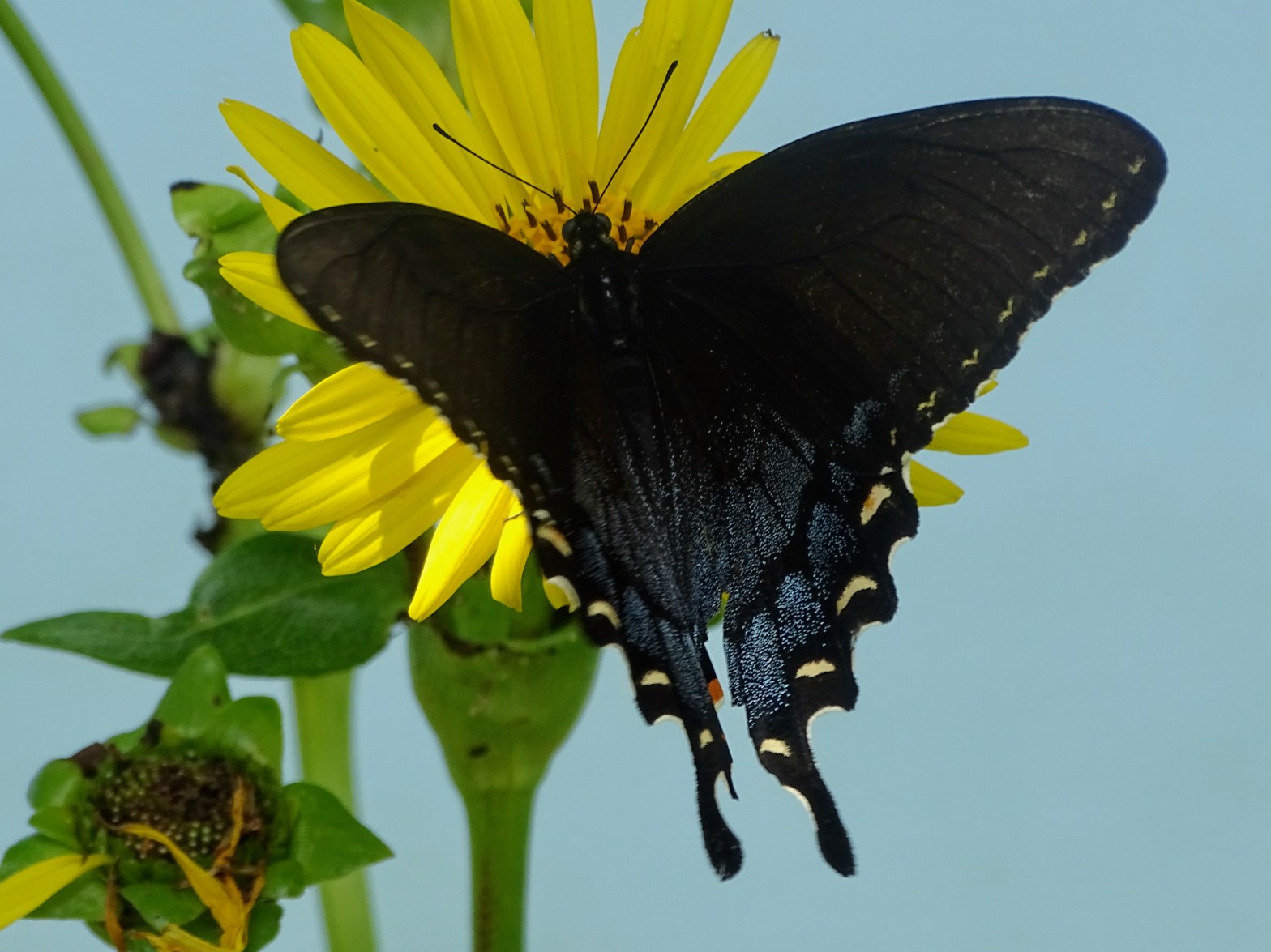
You’ve spent time taking great photos of your work. You’ve followed the tips on what type of photos to take. That’s hard enough – but don’t just leave those photos on your camera card. Your photos are part of your crucial research data – and you back up your data, right? Following these next stepsContinue reading “Filing your photos so you can find them!”
Do I need permission to photograph someone?
In today’s image-intense world, I’m careful with using photographs of people. I always verbally ask their permission first if I’m in an informal public setting. If I know I’ll be using their photo for my work, I have them sign a photo release (sample below). On private property, I always get permission. In reality, it’s aContinue reading “Do I need permission to photograph someone?”
What type of photos should I take?

You already know that photos are an important way to communicate about your science. They not only document your work (as part of your data) but they can be used to explain your scientific work to complement your words. So, what type of photos are best to collect? Here are a few ideas, and someContinue reading “What type of photos should I take?”
Why should I take photos of my scientific work?
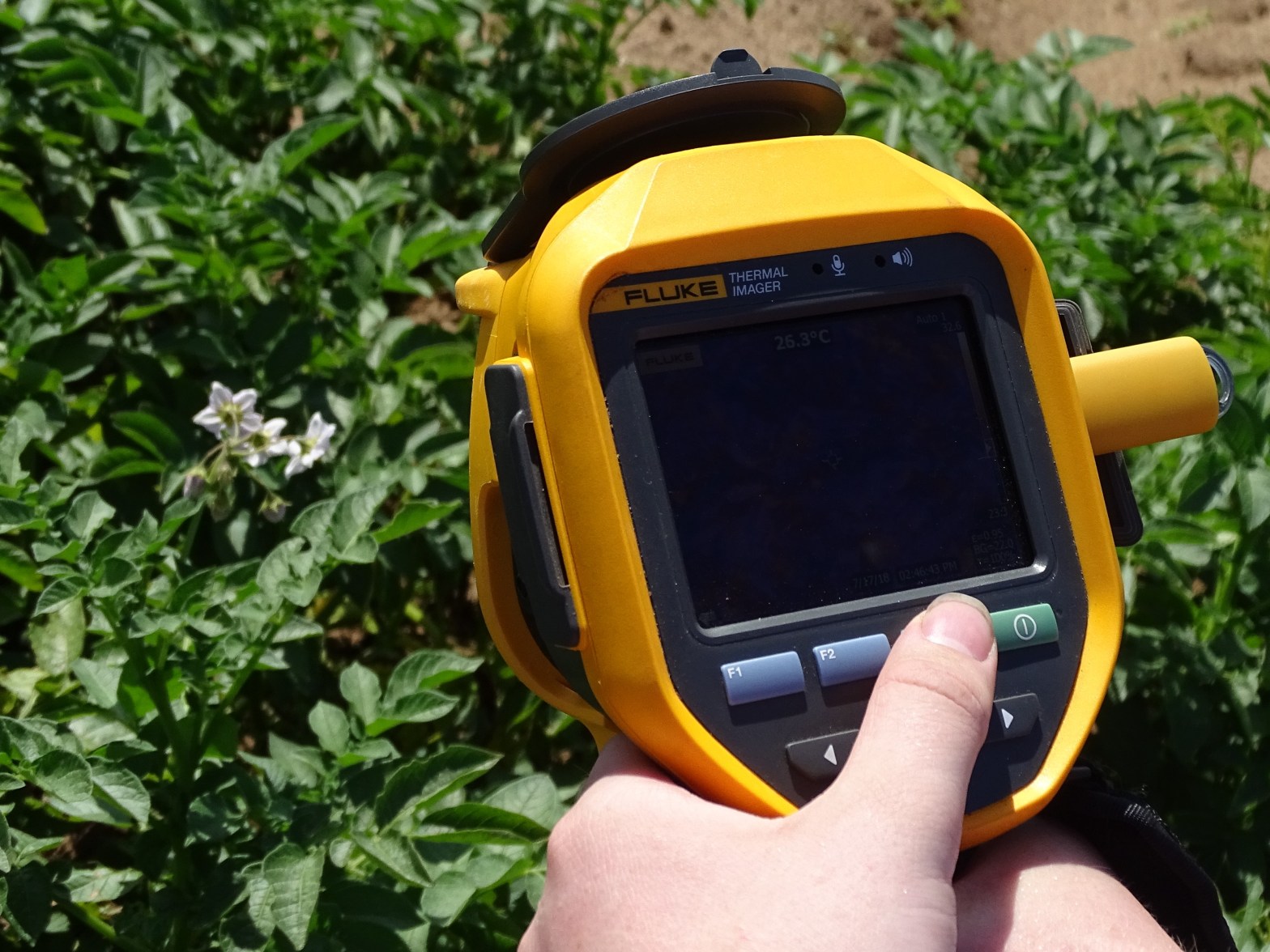
Content, in the form of words, is important in communication. It’s especially important to present that content in an audience-appropriate and relatable way. But, most types of communications work better if there are both words (written or oral) and visual content. This is because there are many different learning styles: verbal, written and experiential asContinue reading “Why should I take photos of my scientific work?”
Who is “Relatable Science?”
Why do this? If you’re a scientist, and are frustrated the others don’t understand the value of your work, I get it. I’ve been working for three scientific societies for nearly a decade, and I have watched well-intentioned scientists explain their work. But the audience doesn’t get it – either in written or verbal form.Continue reading “Who is “Relatable Science?””
 Relatable Science