Have you ever tried to talk about your work to family or friends – only to get yawns? These are the same people taking time to watch one or more of the two million cat videos on the internet, right? It’s truly aggravating isn’t it? Comparing the attention span for silly entertainment and that ofContinue reading “What can scientists learn about communications from the success of cat videos?”
Tag Archives: science literacy
More things to know about your audience!
In my last blog, I explained several factors that get in the way of your audience receiving the message you send. Not all is lost! You control the message. You can learn how hurtful jargon is to your message. And then by and working to create relatable talks, blogs and social media posts, you willContinue reading “More things to know about your audience!”
Why is science communication so hard?
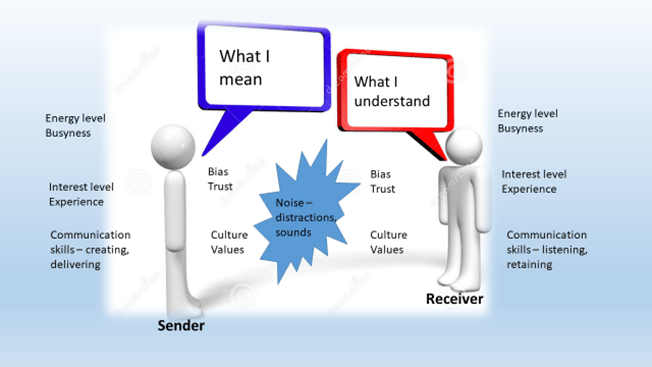
Nowhere in my scientific training did anyone explain to me that communications went further than publishing a paper or presenting to my peers. Every Monday night, graduate students participated in a seminar of quickly synopsizing papers we’d read over the weekend. Ok, we really read them Sunday night – or even the wee hours ofContinue reading “Why is science communication so hard?”
Explaining the certainty of uncertainty

One of the best things that can happen to you as a science communicator is to be asked a question! And often the question might relate to changes in practice, or someone else’s advice: in other words, things that have to do with uncertainty. People are uncomfortable with it, but we must be prepared toContinue reading “Explaining the certainty of uncertainty”
Communicating so people understand
In this blog, Is Science A Second Language? I quoted Gwen Pearson, an entomologist. Pearson acknowledges that it’s the scientists’ job to translate scientific messages into compelling, relatable material. I, of course, agree, which is why I started this blog, to give scientists the tools to do so. One of the first methods we useContinue reading “Communicating so people understand”
 Relatable Science